
How to Install Vinyl Siding
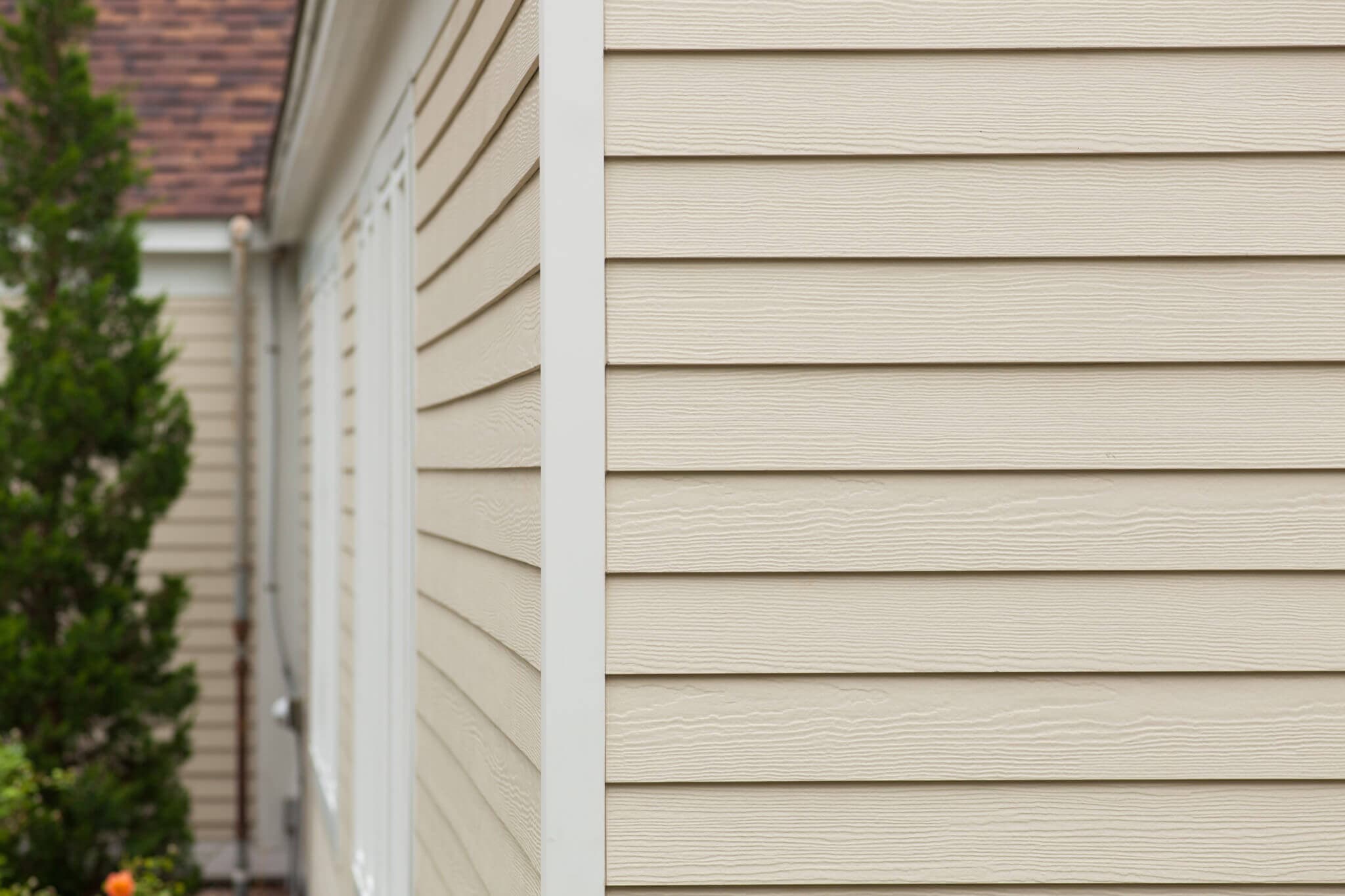
How to install vinyl siding is not “start at the bottom and nail it flat.” Vinyl moves. Nebraska July heat stretches it. A January night shrinks it. If you pin the panel through the vinyl instead of the slot, the wall waves by August and splits at the corners after the first hard freeze.
This is the sequence we use on Omaha ranch and two-story elevations. A garage gable you can see from a ladder is a fair DIY. A full west wall after hail is a siding installation job — new wrap, sill pans, and a color that still exists.
What has to be true before a panel goes on
- The wall is dry and the sheathing is sound. Soft OSB behind a hose bib or a dead dryer vent will print through new vinyl in a year.
- House wrap and window flashing are already on. Vinyl is a rainscreen, not the weather barrier. Felt torn at the heads is why walls rot behind “fine looking” siding.
- You have the same profile and lock. A Dutch-lap panel will not lock into a clapboard leftover. Bring a cut-off to the yard.
- Starter strip is level. Every course follows that first line. A 1/4-inch error at the mudsill is an inch at the soffit.
The install sequence
- Snap a level line for the starter strip. Fasten it to the sill, not to the dirt or the old rotten board.
- J-channel around windows, doors, and the rake. Leave a gap so the panel can move. Tight channel is how ends buckle.
- Hang the first course on the starter. Lock it. Do not force a bow to hide a hump in the wall — plane the bump or sister a shim.
- Nail in the center of the slot. Head proud — the panel should slide. About every 16 inches into framing, not just into foam.
- Overlap joints away from the weather side. In Omaha that usually means the west and south winds do not see the cut edge.
- Do not stretch a panel to make a joint land on a stud. Cut it and start a new piece. Stretched vinyl snaps back and opens the lock.
- Inside and outside corners last in the stack, but they have to be plumbed before you chase courses into them.
Nebraska mistakes that show up the first winter
- Nailing tight “so it doesn’t rattle.” It will not rattle. It will oil-can and crack at the nail.
- No J at the hose bib or the electric meter. Water sits there. That is the rot we find on siding repair calls.
- Running vinyl over wet OSB after a leaky window. Dry the wall. Then wrap. Then hang.
- Skipping the utility channel at a wall-to-roof kickout. Ice and splash eat that corner first.
When to put the nail gun down
A one-story gable with sound wrap is a weekend if you have done trim before. A two-story west elevation, a wall that already has two colors, or a claim that should include the siding with the roof — that is us. We photograph dents, pull a manufacturer stamp when we can find it, and write the elevation, not a panel count.
Quick answers
Do you nail vinyl siding tight to the wall?
No. Nail in the center of the slot and leave the head proud so the panel can slide. Tight nails are how vinyl waves in heat and splits in a freeze.
Can I install vinyl siding over old siding?
Only if the old layer is flat, fastened, and the windows still have a reveal. Overlaying wavy or rotten walls prints every hump and hides rot. We usually pull it.
How long does vinyl siding last in Omaha?
Color and locks last longer than the trim and the J-channel at wet corners. Hail on the west and south walls decides more than the brochure year.
Want someone to actually look at it?
Free inspection, photos of whatever we find, and a written recommendation — including “this roof is fine, call us in five years.”