
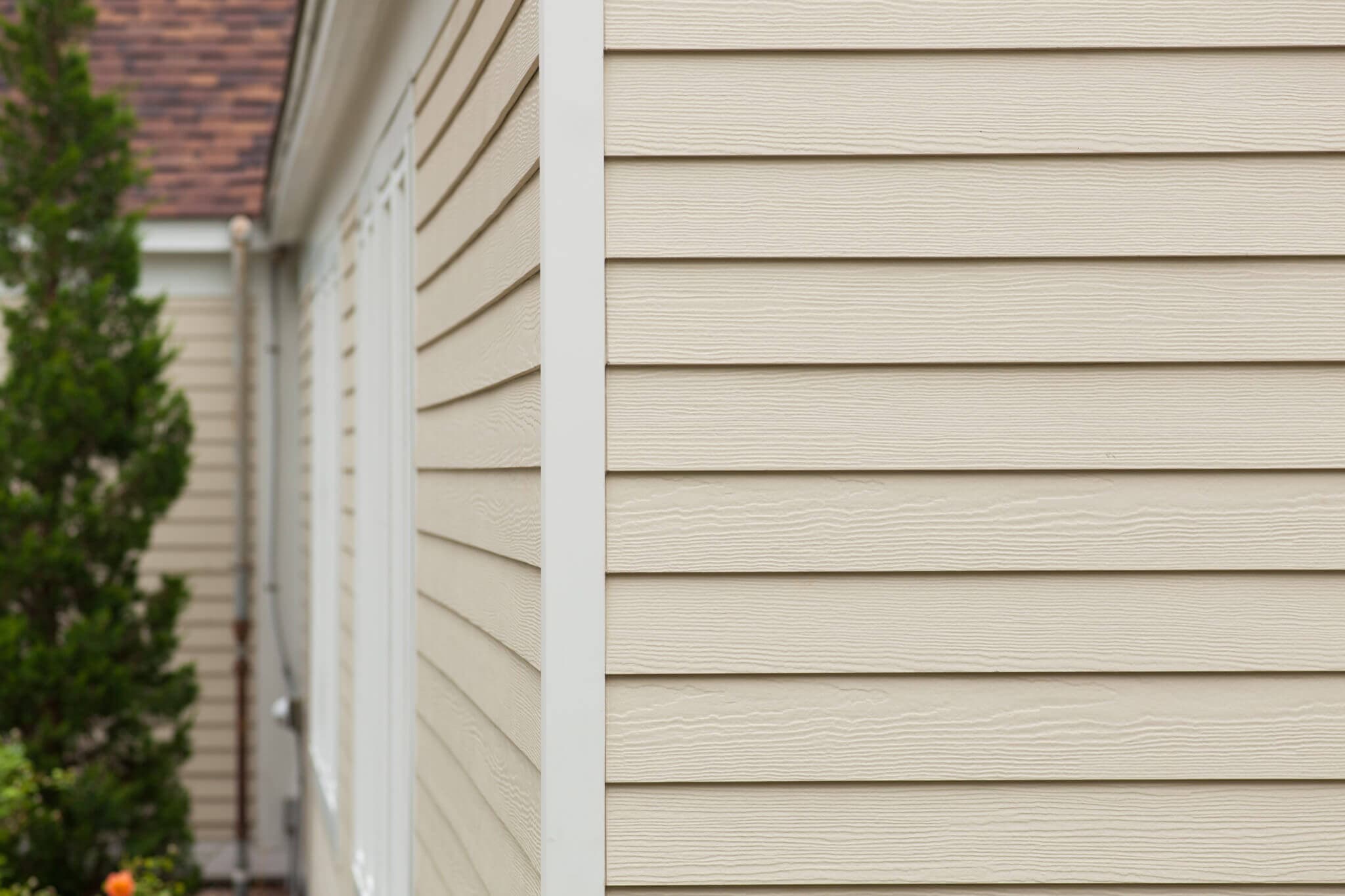
Siding
What Is Fiber Cement Siding?
Fiber cement is a painted board, not a vinyl panel. It takes paint and hail differently — and it is heavier than most people expect.
October 9, 20266 min
Contact us for a Free Quote today
402-764-6666Notes from the roof
What we end up explaining on driveways every week — how to read hail damage, whether you need a permit, why your eaves ice over, and how to compare three bids that look nothing alike.
Fiber cement is a painted board, not a vinyl panel. It takes paint and hail differently — and it is heavier than most people expect.
Putting siding up is wrap, flashing, then courses. The material changes. The order does not — skip a step and the wall leaks behind a new face.
Lap siding is the overlapping course you see on most Nebraska houses. The look is the same idea. The material is not.
Replacing vinyl is easy when you have the same lock and color. After hail and ten years of west-wall sun, you are replacing the elevation.
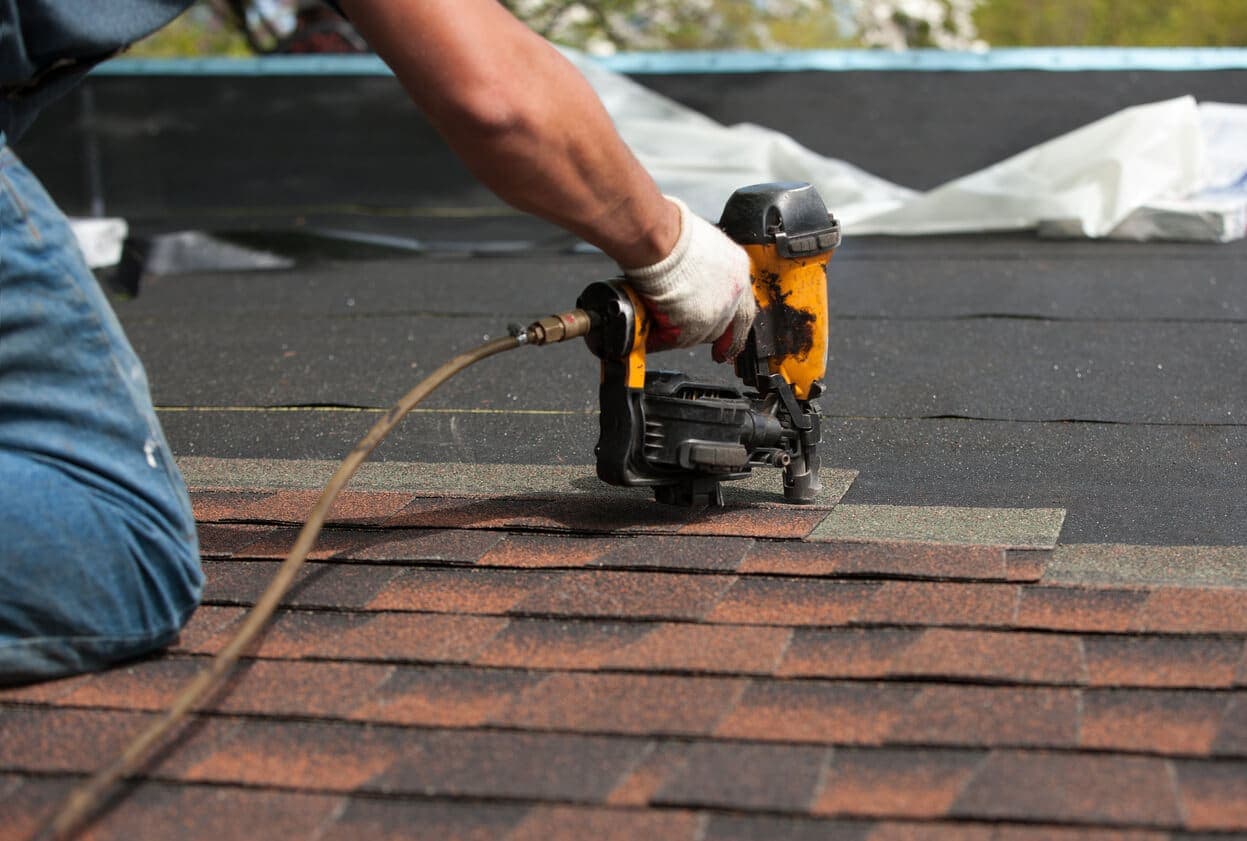
Composition roof means asphalt shingles: a fiberglass mat, asphalt, and granules. That is what most Omaha and Stromsburg houses already have.
A replacement is not “new shingles on top.” It is tear-off, deck, ice barrier, flashing, permit, and a job site you can walk through when we leave.
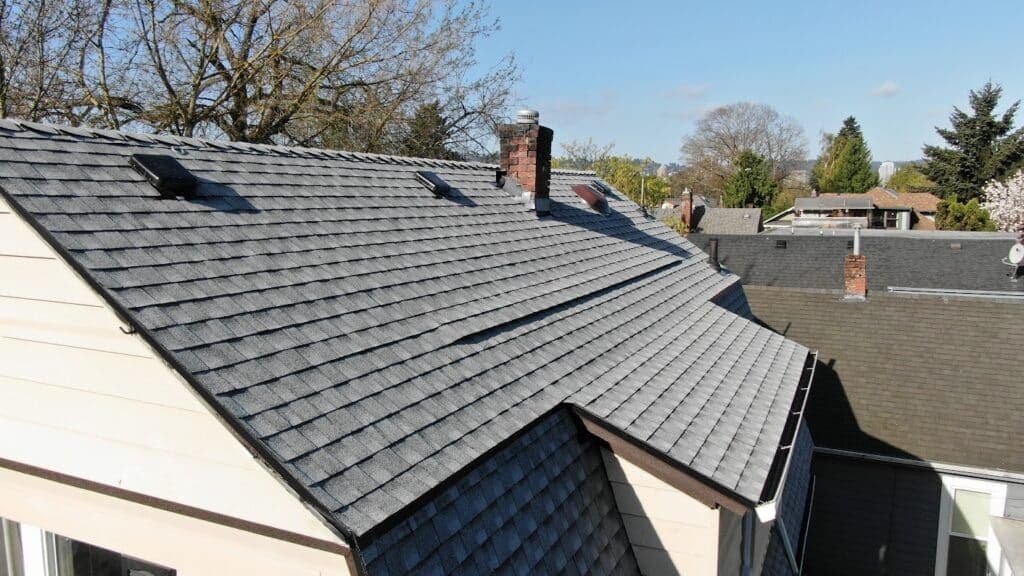
Buy the system through the crew that will flash it. A stack of panels from a lumber yard is not a metal roof.
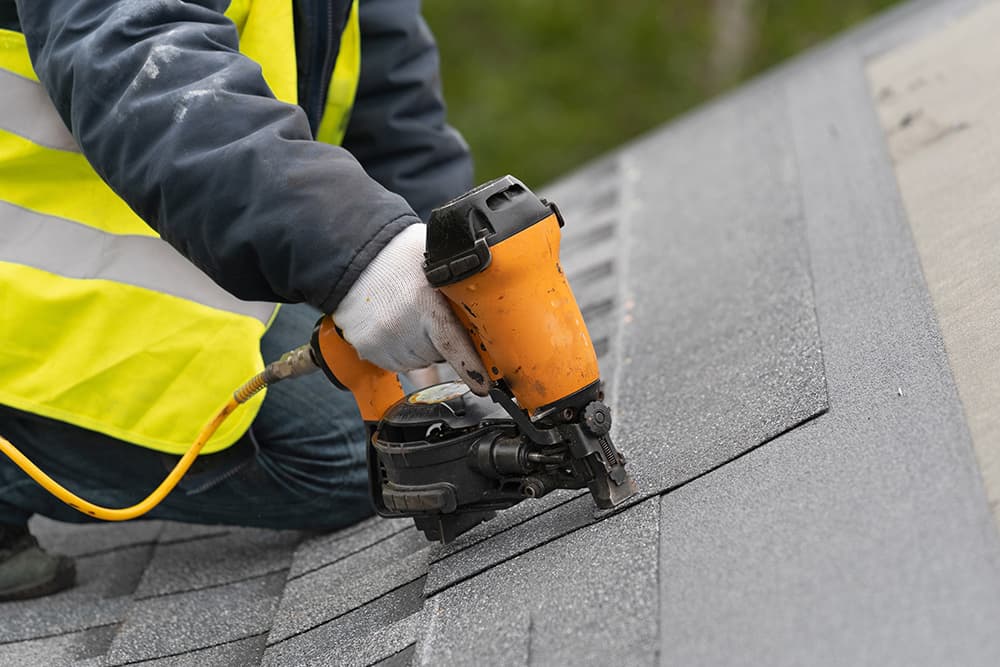
Rolled roofing is a shed and porch product. Here is the honest install, and when to put the roll back and call for a membrane.
A slate roof is stone, not a shingle. It can last a century if the structure can hold it. Most Nebraska houses are not that building.
Architectural asphalt is the best all-around choice for most steep-slope homes. Metal, tile, slate, and membranes win when the roof, budget, or climate says so.
A handful of broken asphalt shingles on a dry, low slope can be a homeowner repair. Steep, wet, or flashing-adjacent damage is not.
A new roof is not a stack of shingles. It is deck, edge metal, underlayment, flashing, air path, and covering — in that order.
A reliable roof is a water-moving system. This is the order a proper asphalt job follows — and what to verify in writing before the first bundle goes up.
Most “how do I repair my roof” searches are a handful of tabs or a boot — not a tear-off. Here is the Omaha version of that job, including when to put the ladder away.
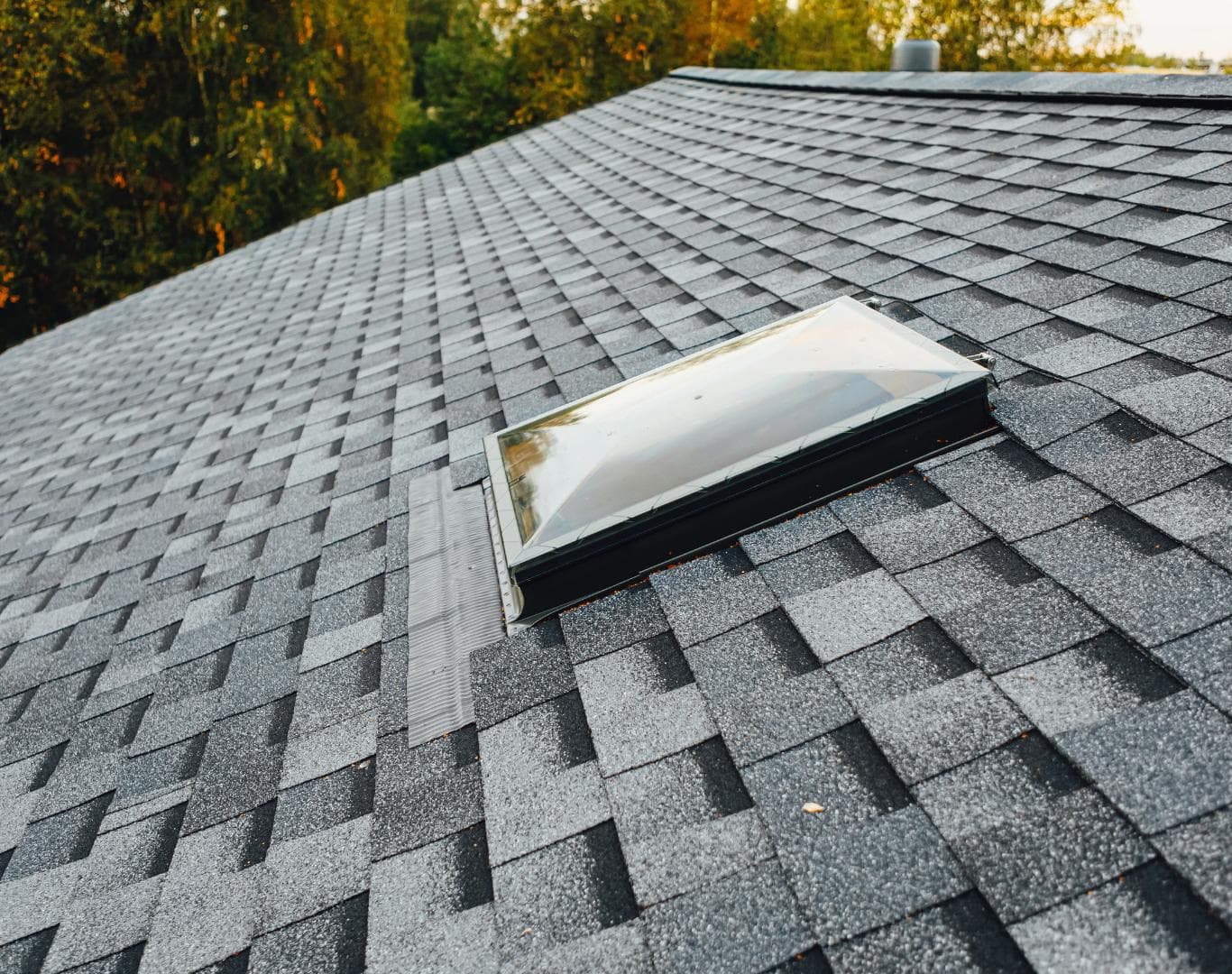
Half the roofs we get called out to after a storm are fine. Here is how to tell the difference from your own driveway, before a stranger knocks.
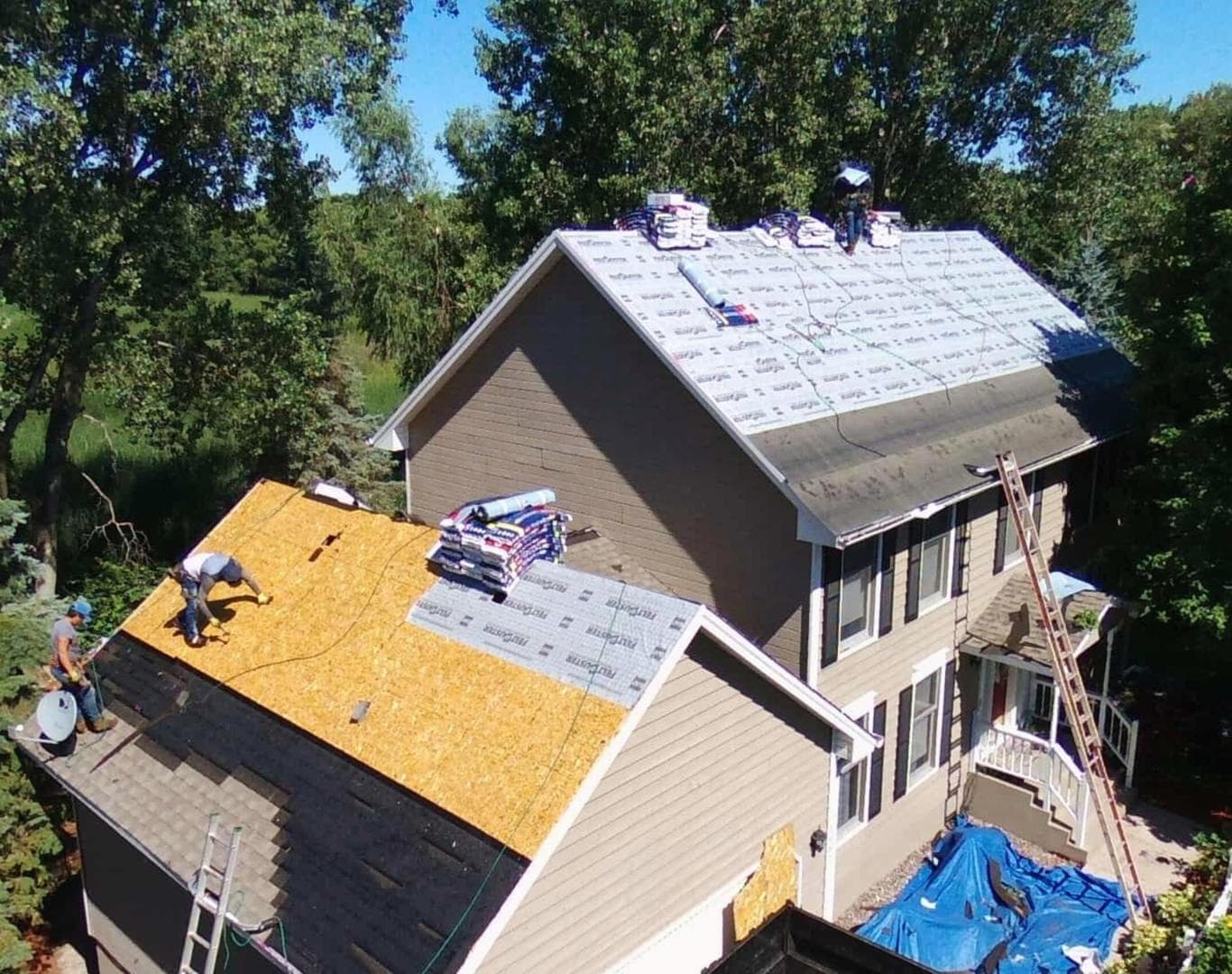
Short answer: yes, and your contractor should be pulling it. Here is what it costs, who files it, and why a skipped permit becomes your problem at closing.

Every January we get calls about water coming in above a window. The roof is almost never the culprit. The attic is.
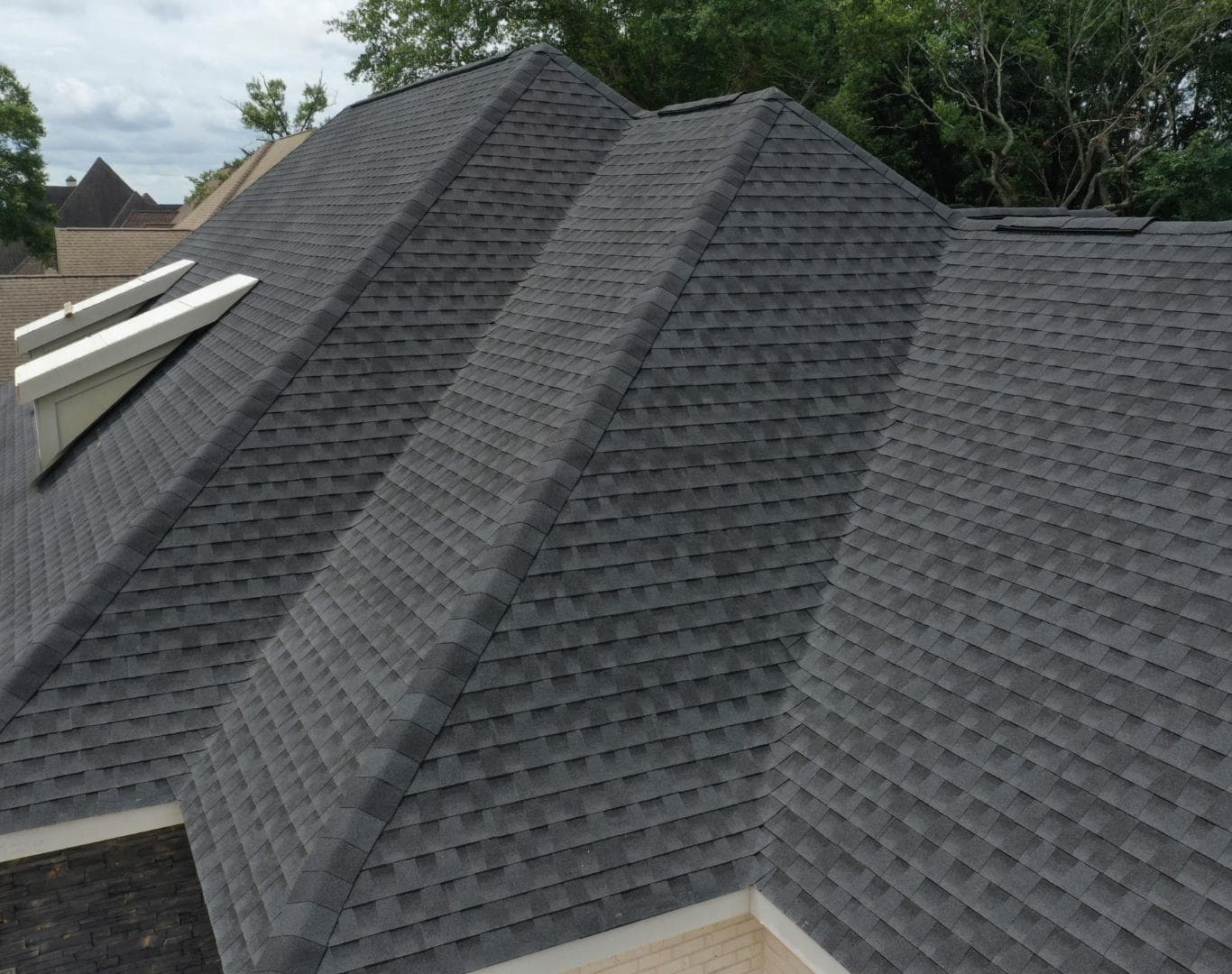
Three bids, three formats, a $6,000 spread, and no way to tell what is different. Here is how to line them up.
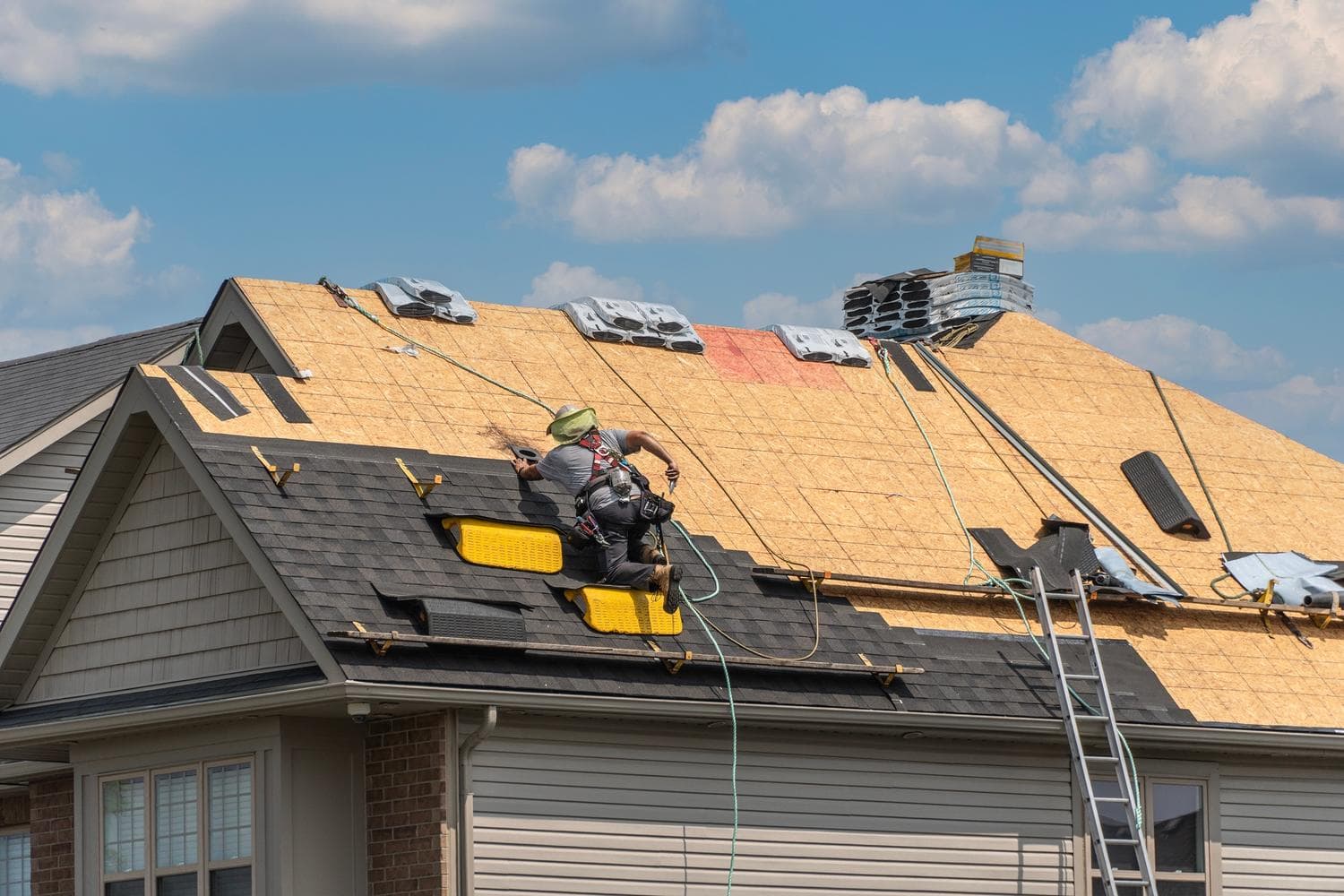
They are not all crooks. But the business model is to be gone before the warranty matters, and a few questions will tell you which one is at your door.
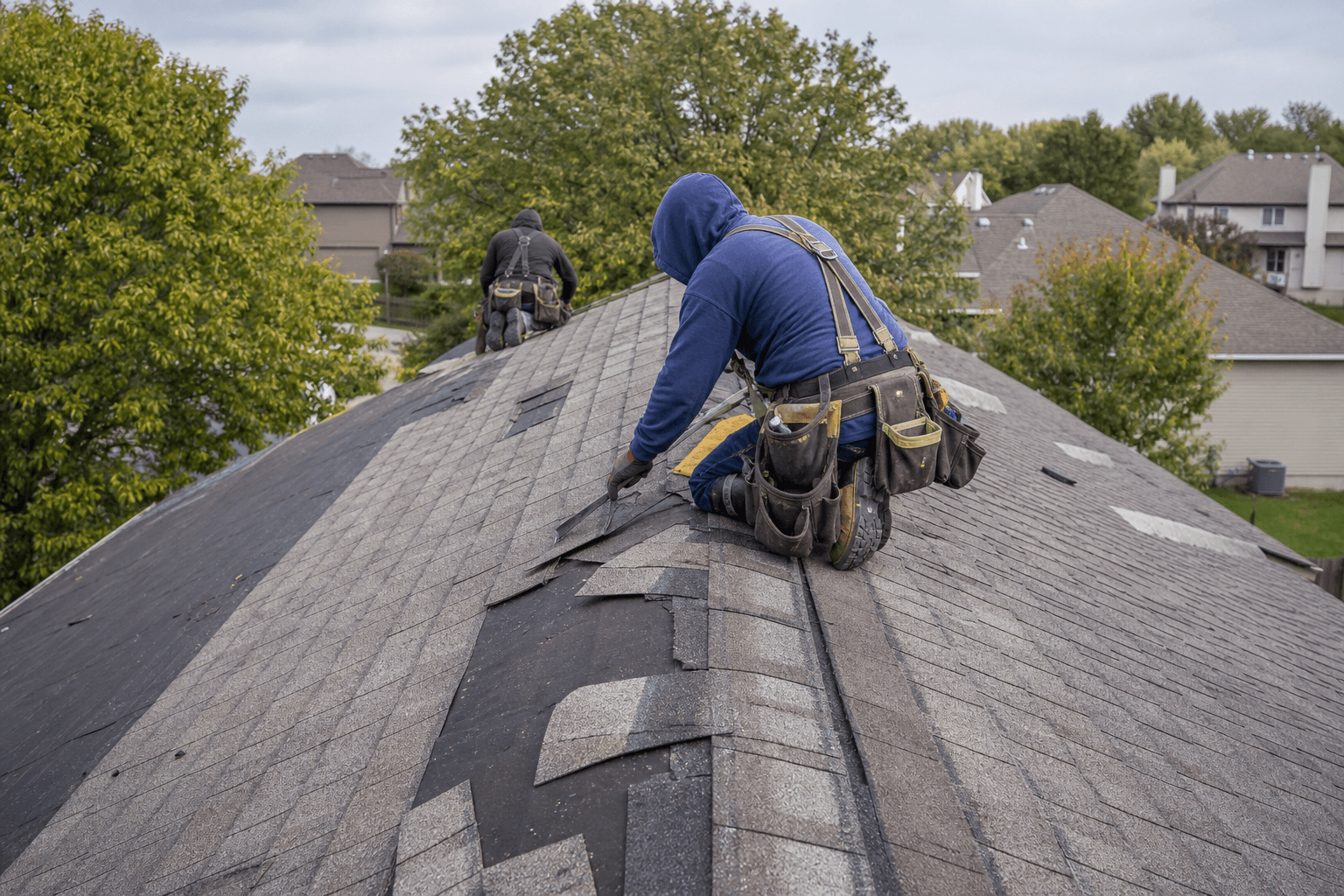
Damage to the roof may begin with the smallest of problems — a missing shingle, a loose piece of flashing, or a minor leak. Here is how to identify and address it before costly issues develop.
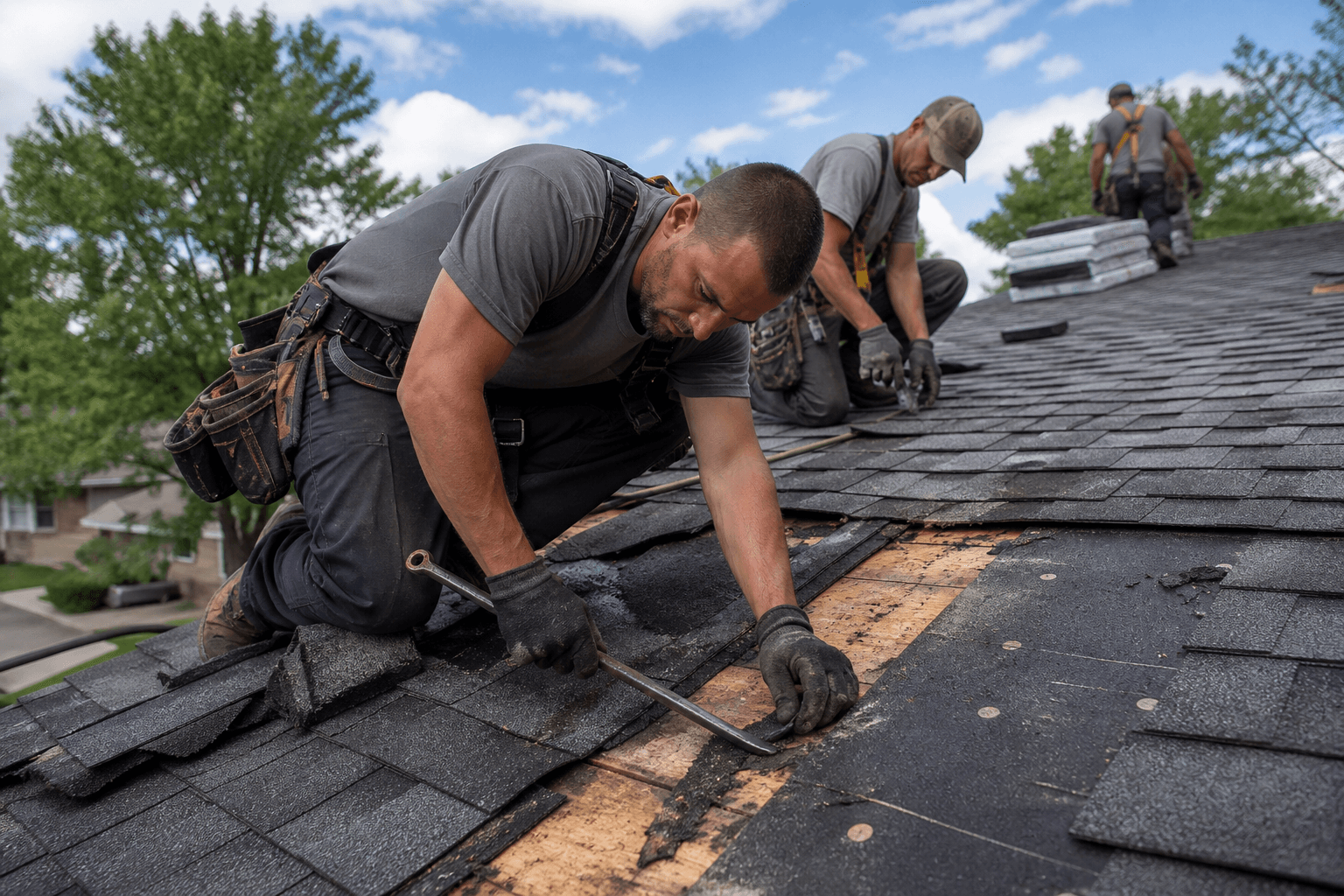
Not every damaged roof must be replaced. Often homeowners can fix a specific area with missing shingles, torn flashing, or a localized leak — if they know where the real problem is.
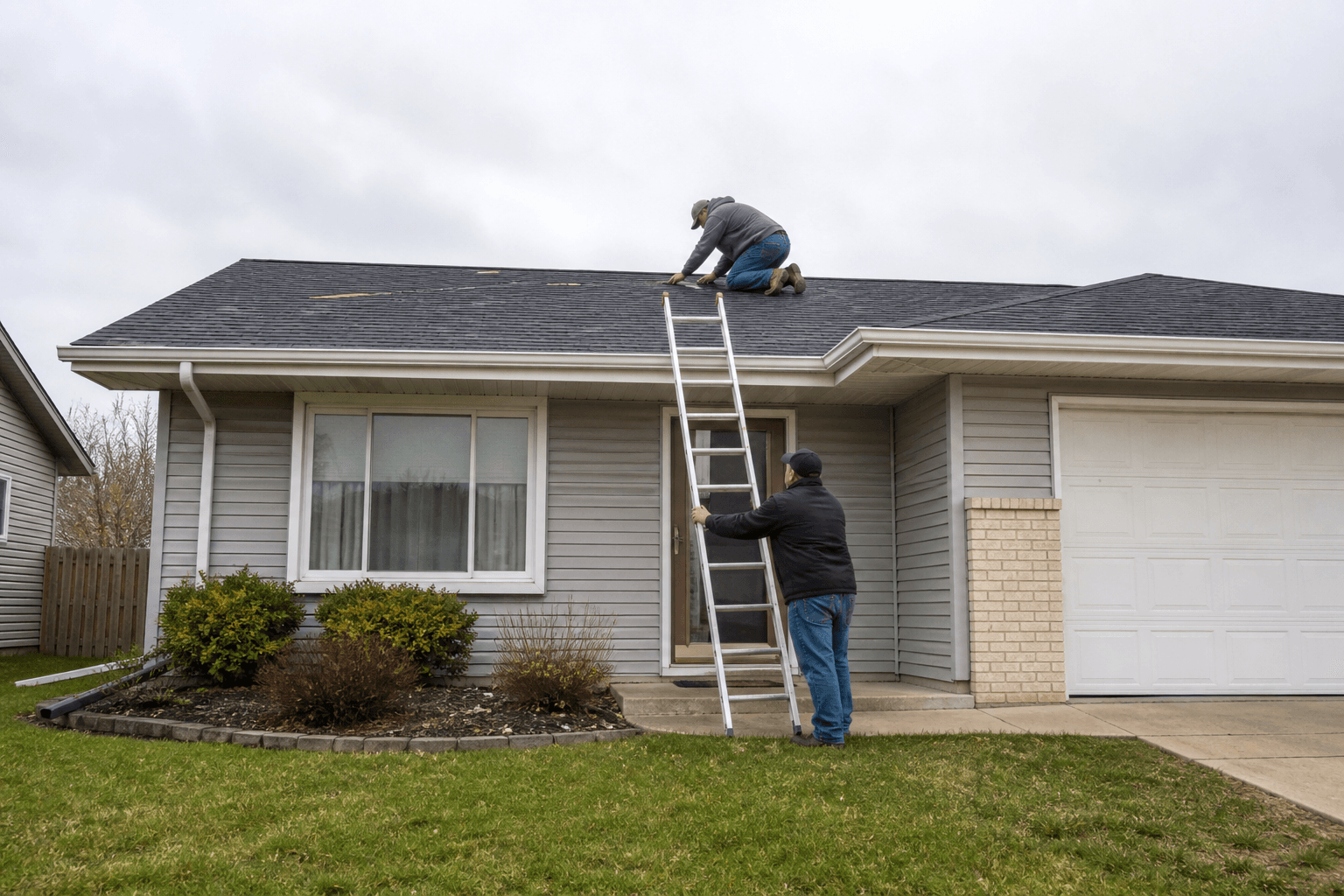
A ceiling discoloration or a missing shingle after a storm raises the question: how do I repair my roof without spending a fortune? Here is what you need to know.
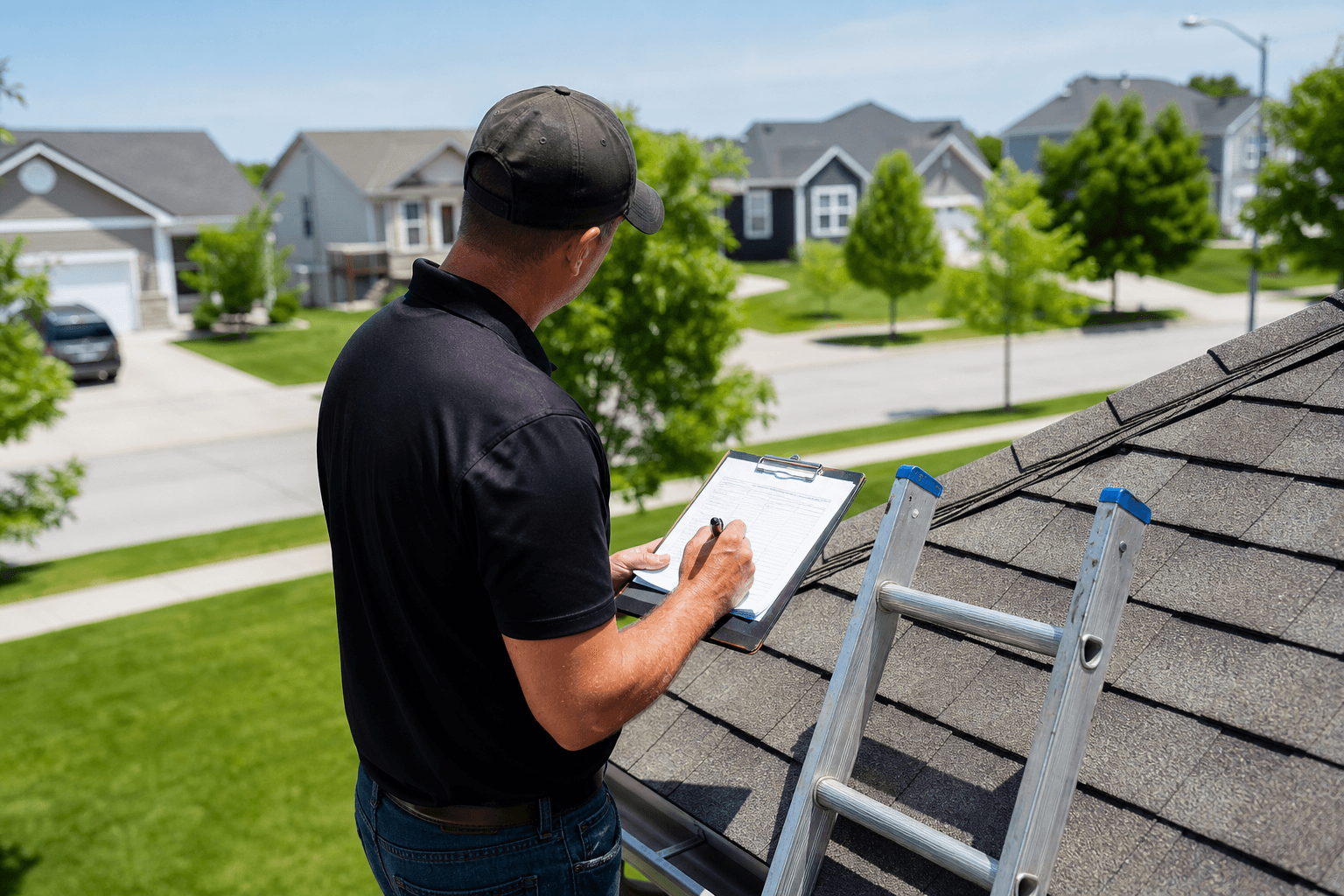
After a storm or when a leak appears, finding reliable roof repair near me without getting ripped off is the challenge. Here is how to vet contractors and avoid common scams.
Feel free to reach out to us anytime.
We're here to help!