How to Repair Damaged Roof
Damage to the roof may begin with the smallest of problems, such as a missing shingle, a loose piece of flashing, or a minor leak. But neglecting these issues can lead to water entering the underlying roofing system and thus, more costly issues. The first step in learning how to repair damaged roof problems is to identify the root cause of the damage.
How to Identify Different Types of Roof Damage
Before you can repair a damaged roof, you need to know what kind of damage you are dealing with. Common signs include:
- Missing or curled shingles — often caused by wind or age
- Water stains on ceilings — a clear indicator of a leak somewhere above
- Damaged flashing around vents or chimneys — metal that has pulled away or rusted through
- Cracked roofing materials — brittle shingles that break when touched
- Granules collecting in gutters — a sign of shingle wear and aging
- Visible gaps or loose materials — openings where water can enter
Ready to upgrade your roof? Get the best Roof Replacement in Omaha and across Nebraska!
How to Repair Damaged Roof Step by Step
1. Inspect the Damaged Area
Start by identifying exactly where the problem is. Look for:
- Where water is entering the structure
- Which specific materials are damaged
- Whether surrounding areas are still secure
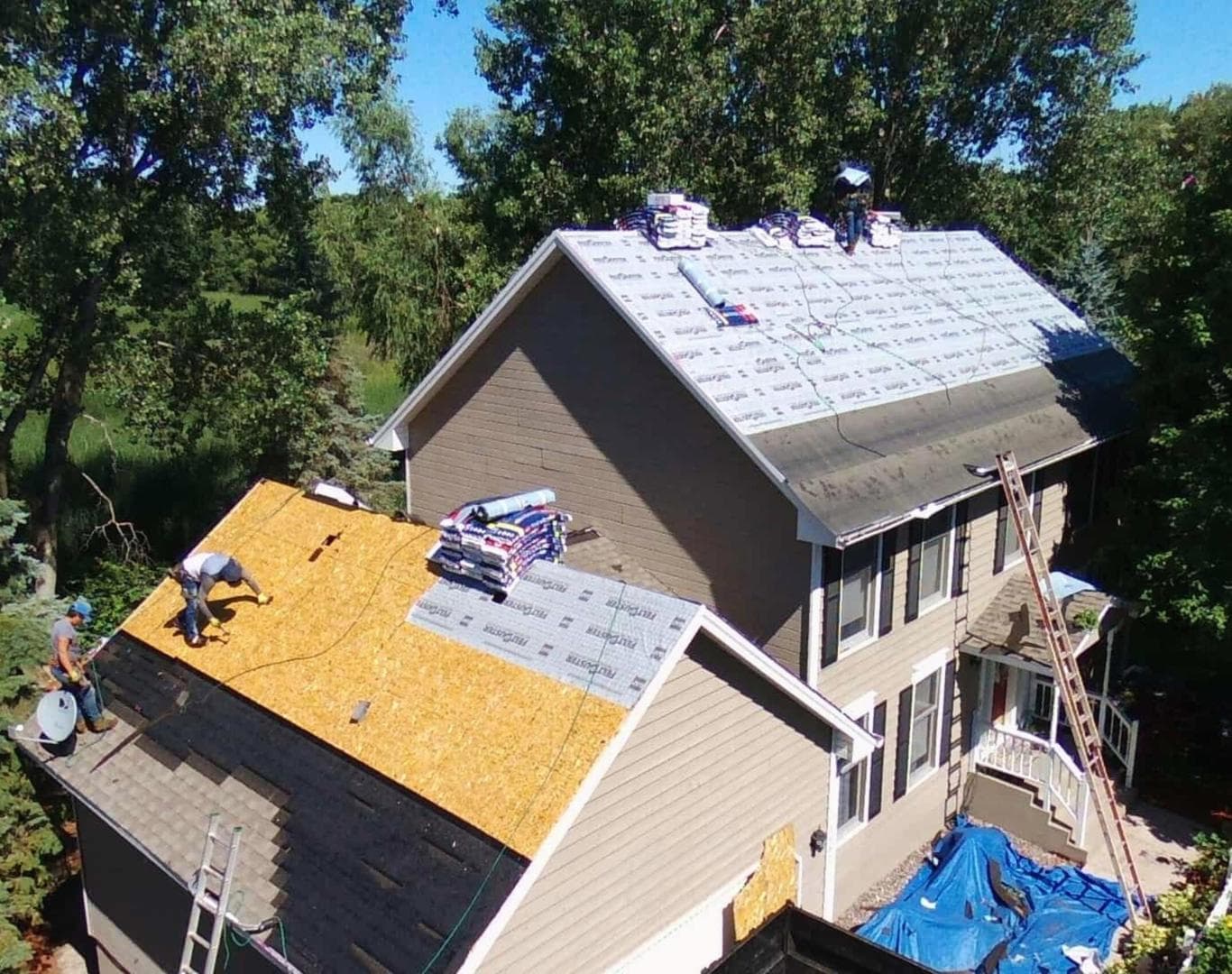
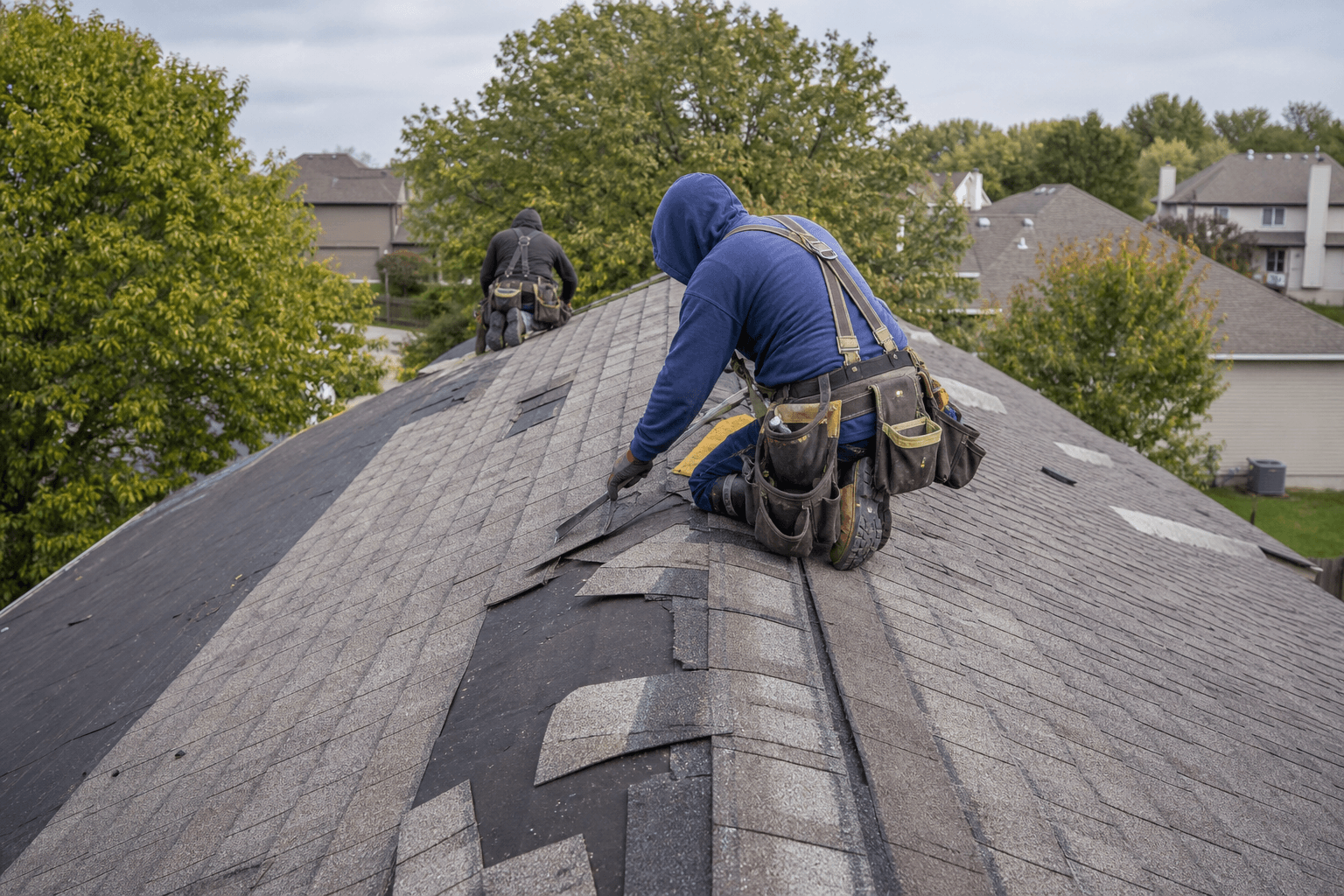
2. Replace Damaged Roofing Materials
Once you have located the damage, you may need to replace:
- Broken shingles
- Damaged tiles
- Loose roofing panels
- Worn flashing
Be aware that surrounding surfaces may be brittle, especially on older roofs. Make sure to use materials that correctly match the existing roof and install them properly. Home roof repairs are often possible when damage is limited and the underlying structure is solid.
3. Repair Flashing and Seal Problem Areas
Flashing protects vulnerable areas where the roof meets walls or protrusions. Common flashing repair locations include:
- Chimneys
- Roof valleys
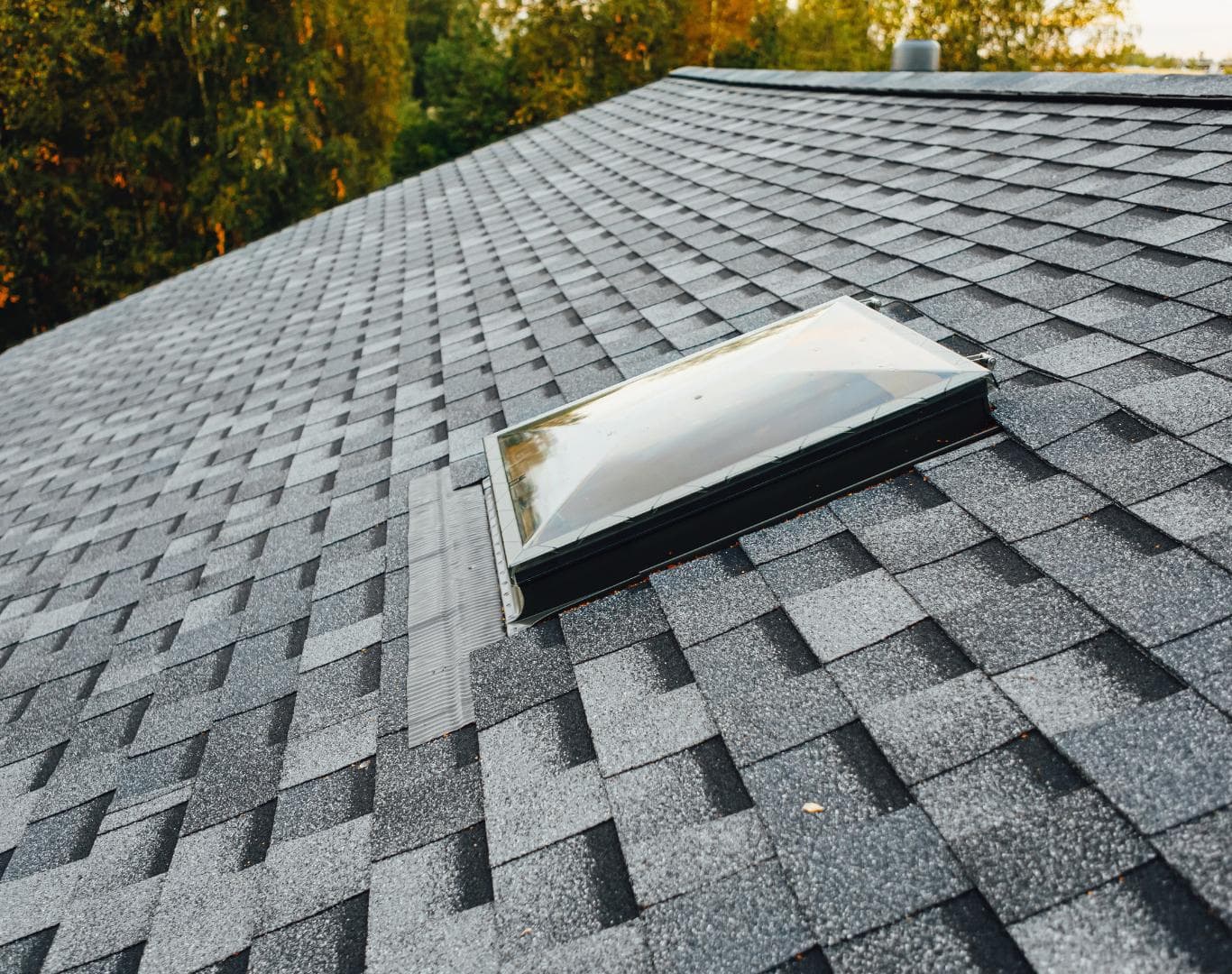
- Skylights
- Vent pipes
Do not just cover damaged flashing with sealant and hope for the best. Properly adjust or replace the flashing to redirect water away from these critical areas.
4. Check for Hidden Moisture Damage
Before installing new materials, check for moisture damage in:
- Roof decking
- Insulation
- Wooden supports
Wet structural materials need attention before new roofing materials go on top. Installing over rot or mold only delays a larger problem.
Check out our Roof Repair and Roof Installation services here!
When Roof Damage Requires Professional Help
Some situations call for professional assistance rather than a DIY approach:
- Damage covers a large area of the roof
- The structure appears weakened or sagging
- Leaks continue even after initial repairs
- Access to the damaged area is unsafe
- Storm damage affects multiple sections
A Professional Roof Repair Service can examine hard-to-view areas and suggest whether repair or full replacement makes more sense for your situation.
Bottom Line
Knowing how to repair damaged roof problems starts with proper inspection. Isolated shingle or flashing issues can often be addressed without full replacement. However, repairs only work when you fix the true cause. Addressing visible issues without dealing with underlying moisture or structural problems leads to recurring problems.
Kutsch Roofing offers expert roofing services tailored to each property's needs. Whether you need a minor repair or a complete replacement, we provide honest assessments and quality workmanship.
Quick answers
Can I repair my roof myself?
Minor repairs like replacing a single shingle may be within reach for handy homeowners, but safety is paramount. Steep roofs, multiple damaged areas, or structural concerns should always be handled by professionals.
How do I know if my roof damage needs professional help?
Call a professional when damage covers a large area, the structure appears weakened, leaks persist after repairs, or you cannot safely access the damaged area.
What causes most roof damage in Nebraska?
Hail, wind, and freeze-thaw cycles are the primary causes. Age and poor maintenance also contribute to shingle deterioration and flashing failure.
Want someone to actually look at it?
Free inspection, photos of whatever we find, and a written recommendation — including “this roof is fine, call us in five years.”